
Are you tired of constantly feeling overwhelmed by the clutter in your home or office? Do you find yourself struggling to focus and be productive amidst the chaos? If so, you’re not alone. Clutter can be a major source of stress and can hinder our ability to live our best lives. But fear not, because there is a solution. In this ultimate guide to decluttering your space, we’ll explore expert tips and tricks for creating an organized and peaceful environment that will leave you feeling refreshed and revitalized. So grab a cup of tea, put on some music, and let’s get started on the journey to a clutter-free life!
Why Decluttering Your Space is Important
Decluttering your space can be a daunting task, but it’s essential for a clean and organized environment. Research shows that clutter causes stress and anxiety, which can negatively impact mental health and productivity. By decluttering, you eliminate excess items that contribute to the messiness in your space.
Clutter also takes up valuable physical space, making it difficult to find what you need when you need it. This leads to frustration and wastes time that could be better spent elsewhere. However, by taking the time to declutter regularly, you create an opportunity for calmness and clarity in your home or workspace.
Finally, decluttering is also known as a starting point for personal development. It requires decision-making skills about letting go of things no longer needed while keeping those with significant value or sentimental reasons behind them. Therefore this process helps individuals reflect on their values of possessions they have accumulated over time resulting in self-improvement beyond just having an uncluttered living area.
The Benefits of a Clutter-Free Environment
Clutter-Free Environment is not just about having a tidy space; it also has numerous benefits to our overall well-being. One of which is that a clutter-free environment reduces stress and anxiety, making us feel more relaxed and in control. A study conducted by the Personality and Social Psychology Bulletin revealed that women who described their homes as “cluttered” or full of “unfinished projects” were more likely to be depressed, exhausted, and have higher levels of cortisol (stress hormone). Meanwhile, people who live in organized spaces are said to be more productive since they can focus better than those with a lot of visual distractions around them. Additionally, a clean home lowers the chances of accidents happening such as tripping over objects on the floor or falling from an unstable pile of items. Having an uncluttered space also promotes healthy habits like exercising regularly since there’s enough room for physical activities at home.
How to Start Decluttering Your Space: Tips and Tricks
Starting the decluttering process can be overwhelming, but it’s important to take it one step at a time. Begin by choosing one area of your space to focus on, such as a specific closet or room. Set aside dedicated time to work on this area without distractions.
Next, sort items into three categories: keep, donate/sell, and throw away. Be honest with yourself about whether you really need or use an item. If you haven’t used something in over a year and it doesn’t hold sentimental value, consider letting go of it.
To make the process more manageable, break down larger tasks into smaller steps. For example, organize clothes by category (shirts, pants, etc.) before deciding what to keep or get rid of. Remember that decluttering is not just about getting rid of things; it’s also about creating a functional and organized space for yourself.
The KonMari Method: A Step-by-Step Guide to Decluttering
The KonMari Method: Understanding the Philosophy Behind It
The KonMari Method, created by Marie Kondo, is a popular decluttering technique that emphasizes keeping only items that “spark joy.” This method encourages individuals to evaluate their belongings based on their emotional attachment to them rather than their practical use. By focusing on what truly brings happiness and letting go of items that no longer serve a purpose, the KonMari Method can lead to a more intentional and fulfilling life. It’s important to note that this method is not just about tidying up, but also about creating a positive mindset and relationship with your possessions. By prioritizing joy and gratitude, the KonMari Method can help transform your space and mindset.
Step-by-Step Guide to Decluttering with the KonMari Method
- Visualize your ideal lifestyle.
- Tackle categories, not rooms.
- Follow the order: clothes, books, papers, miscellaneous items, sentimental items.
- Pick up each item and ask yourself if it sparks joy.
- Discard anything that no longer serves a purpose or brings you joy.
- Thank each item before letting it go.
The KonMari Method emphasizes keeping only objects that bring happiness and discarding those that do not align with your desired lifestyle. By focusing on individual categories rather than specific rooms or areas of your home using these key phrases — “visualize” and “spark joy“, you can maximize results when decluttering your space while also minimizing future clutter accumulation in daily life.
Tips for Tackling Sentimental Items with the KonMari Method
When it comes to sentimental items, it can be difficult to decide what to keep and what to let go of. With the KonMari method, focus on keeping only those items that truly bring joy or have a practical use in your life. Take time to hold each item and see how it makes you feel. If it doesn’t spark joy or serve a purpose, thank the item for its service and let it go with gratitude. Consider taking photos of sentimental items before letting them go, so that you still have a way to remember them without cluttering your space. Remember, decluttering is about creating a more peaceful and organized environment for yourself!
Maintaining a Clutter-Free Space with the KonMari Method
To maintain a clutter-free space with the KonMari Method, it’s important to regularly assess your belongings and ask yourself if they truly spark joy. Make sure everything has a designated place and put items back where they belong after use. Avoid impulse purchases and focus on buying only what you need and truly love. Another key aspect is folding clothes properly using the KonMari method, which not only saves space but also helps you see all your clothes at once. By following these principles, you can continue to enjoy a clutter-free environment and avoid accumulating unnecessary items in the future.
Creative Storage Solutions for Small Spaces
Maximizing Vertical Space: The Power of Shelving and Hanging Storage
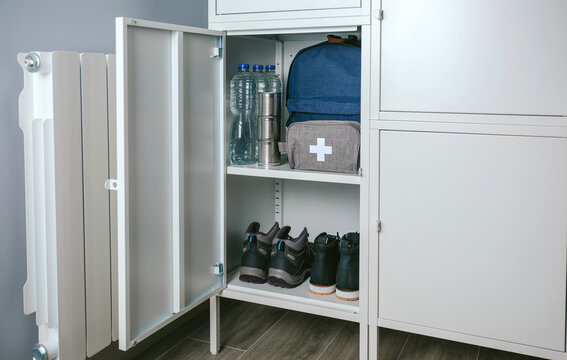
One of the biggest challenges when decluttering a small space is finding storage solutions that won’t take up precious floor area. Maximizing vertical space is the perfect solution for this problem. Utilize walls by installing shelving units or hanging organizers to store items such as books, clothing, or kitchen supplies. Opt for hanging storage options like magnetic knife strips in the kitchen and over-the-door shoe racks in your closet. You can also get creative with DIY projects using repurposed materials like wooden crates or PVC pipes to create unique wall-mounted shelves and cubbies. By thinking “up” instead of “out,” you’ll be able to make the most out of every inch of your small space while keeping it clutter-free.
Multipurpose Furniture: Hidden Storage and Dual Functionality
When it comes to decluttering a small space, every inch counts. One way to maximize storage is by investing in multipurpose furniture that has hidden storage and dual functionality. A bed with built-in drawers or shelves underneath can provide extra space for clothing or bedding. A coffee table with a lift-top can serve as both a table and storage for books or magazines. Ottomans can be used as seating but also have hidden compartments for blankets or pillows. Maximizing storage while keeping your space organized has never been easier with the help of multipurpose furniture options available on the market today.
Innovative Organizers: Tackling Clutter with Drawer Dividers and Bins
If you’re struggling with clutter in a small space, innovative organizers can be a game-changer. Drawer dividers and bins are two key tools that can help you maximize your storage space and keep your belongings organized. Drawer dividers can be used to separate items like socks, underwear, and accessories, while bins can be used to corral larger items like shoes or handbags. Look for organizers that are adjustable or stackable to make the most of your space. By using these tools to keep your belongings tidy and easily accessible, you’ll be able to create a clutter-free environment even in the smallest of spaces.
DIY Storage Solutions: Upcycling and Repurposing for a Unique Twist
If you’re looking for creative storage solutions for your small space, consider upcycling and repurposing items you already have. For example, turn an old ladder into a bookshelf or use mason jars to store small items like makeup brushes or office supplies. You can also use hanging organizers on the back of doors or in closets to maximize vertical space. Another idea is to use furniture with built-in storage, such as a bed frame with drawers underneath or an ottoman that doubles as a storage container. With a little creativity and resourcefulness, you can find unique and functional ways to store your belongings while keeping your space clutter-free.
How to Let Go of Sentimental Items When Decluttering
When decluttering your space, letting go of sentimental items can be one of the hardest tasks. Emotional attachment to things is common, and it’s important to acknowledge those feelings. However, you don’t need to keep every single item that holds a memory. One way to overcome this hurdle is by taking photos of the sentimental item before donating or discarding it. Another option is choosing a few key items that represent memories rather than keeping everything. Prioritizing what really matters can help make the process less overwhelming and more manageable. Additionally, consider passing down sentimental items to family members who might appreciate them instead of holding onto everything yourself. Remember, just because an item has meaning doesn’t mean it needs to take up physical space in your home forever.

Maintaining a Clutter-Free Space: Habits to Adopt
Maintaining a Clutter-Free Space:
Once you’ve decluttered your space, it’s important to maintain it to avoid falling back into old habits. Here are some habits to adopt:
Clean up as you go: Make cleaning and tidying part of your daily routine. Spend 10-15 minutes each day picking things up and putting them away.
One in, one out: Every time you bring something new into your home, get rid of something else.
Regular purging: Set aside time every few months to assess what you own and decide if you still need/use it.
Keep surfaces clear: Avoid using surfaces like countertops or desks as storage areas for items that don’t belong there.
Remember that maintaining a clutter-free space is about creating lasting behavioral change rather than just a one-time clean-up effort. It takes discipline, but the benefits are worth it – less stress, more productivity and an overall sense of calm in your living environment!
The Psychology of Clutter: Understanding the Emotional Attachment to Things
Psychology of Clutter
Clutter can have a significant impact on our mental health and well-being. Studies have shown that a cluttered environment can lead to increased stress levels, anxiety, and even depression. Emotional attachment to our possessions is often the main reason why we struggle to let go of things. We hold onto items that remind us of happy memories or people we love, even if they no longer serve a purpose in our lives.
It’s important to recognize that letting go of physical clutter can also help us let go of emotional baggage. Clearing out our space can provide a sense of control and accomplishment, which can boost our mood and self-esteem. When decluttering, it’s helpful to focus on the benefits of a clutter-free environment rather than the fear of letting go. By shifting our mindset and acknowledging the emotional impact of clutter, we can begin to create a more peaceful and harmonious living space.
Decluttering Your Digital Space: Organizing Your Files and Emails
Decluttering your digital space is just as important as decluttering your physical space. With the rise of technology, we accumulate a lot of digital clutter such as old files, emails, and apps that we no longer use. This clutter can slow down our devices and make it difficult to find what we need.
To start decluttering your digital space, create a system for organizing your files and emails. Use folders to categorize your files and delete any that are no longer needed. Unsubscribe from email lists that you no longer find useful and delete old emails that are taking up space.
It’s also important to regularly back up your important files to an external hard drive or cloud storage. This will not only free up space on your device but also protect your important documents in case of a computer crash.
Finally, limit the number of apps on your devices. Only keep the ones that you use regularly and delete any that you haven’t used in a while. This will not only free up space but also make it easier to navigate through your apps.
By decluttering your digital space, you’ll be able to work more efficiently and find what you need quickly.

The Environmental Impact of Clutter and How to Reduce It
Environmental Impact of Clutter and Reduce Clutter
Decluttering your space doesn’t just have benefits for your mental health and productivity; it can also positively impact the environment. When we accumulate too many things, we often end up using up more resources than necessary to store and maintain them.
In addition, cluttered spaces make it difficult to properly clean and maintain the air quality in our homes. Dust, mold, and other allergens tend to accumulate in areas with lots of clutter, which can lead to respiratory problems such as asthma.
Reducing clutter not only helps us live a simpler life but also reduces waste by making us conscious of what we need versus what is unnecessary. When decluttering, donate or recycle items that are still usable instead of throwing them away. This keeps useful items out of landfills while helping others who may benefit from them.
By being mindful about reducing our physical possessions, we contribute towards a greener planet while creating space for the things that truly matter in our lives.
In conclusion, decluttering your space is not just about getting rid of things you no longer need or use. It’s about creating a peaceful and organized environment that promotes productivity, reduces stress, and improves overall well-being. By following the tips and tricks outlined in this guide, you can start the process of decluttering your space today. Remember to take it one step at a time, be patient with yourself, and celebrate your progress along the way. With a little effort and commitment, you can transform your space into a clutter-free haven that supports your goals and aspirations. So what are you waiting for? Start decluttering today!


