
Have you ever considered the impact your lifestyle has on the environment? The choices we make in our daily lives can have a significant influence on both our planet and our personal health. In recent years, there has been a growing movement towards green living – a lifestyle that prioritizes sustainable practices and eco-friendly choices. But what exactly are the benefits of this way of life? In this blog post, we’ll explore how green living can improve not only the world around us but also our own well-being. Get ready to discover the countless advantages of embracing a more environmentally conscious lifestyle.

Introduction: The Numerous Benefits of Green Living
Green living has become increasingly popular in recent years, and for good reason. By choosing to live a more sustainable lifestyle, we can enjoy numerous benefits that not only improve our own health and well-being but also have a positive impact on the environment. From reducing our carbon footprint to saving money on energy bills, the advantages of green living are vast. By making small changes to our daily habits and choices, we can make a big difference in the world around us. In this article, we will explore the many benefits of green living and provide tips on how to incorporate sustainable practices into your daily routine. So whether you’re looking to improve your health, save money, or help protect the planet, read on to discover the many rewards of embracing a greener lifestyle.
Health Benefits of Choosing a Greener Lifestyle
Living a greener lifestyle has numerous health benefits. Reducing exposure to toxins and chemicals found in conventional cleaning products, pesticides, and plastics can lower the risk of cancer, respiratory issues, neurological disorders and other chronic illnesses. By choosing organic fruits and vegetables or growing your own produce using eco-friendly methods, you can avoid consuming harmful pesticides or herbicides that are used in traditional agriculture practices. Additionally, by walking or biking instead of driving every day, you can improve cardiovascular health, muscle strength and reduce stress levels. Embracing green living habits such as reducing energy consumption, eating healthy foods and exercising regularly will not only benefit your physical well-being but also contribute to a more sustainable future for our planet.
Environmental Benefits of Living a Sustainable Life
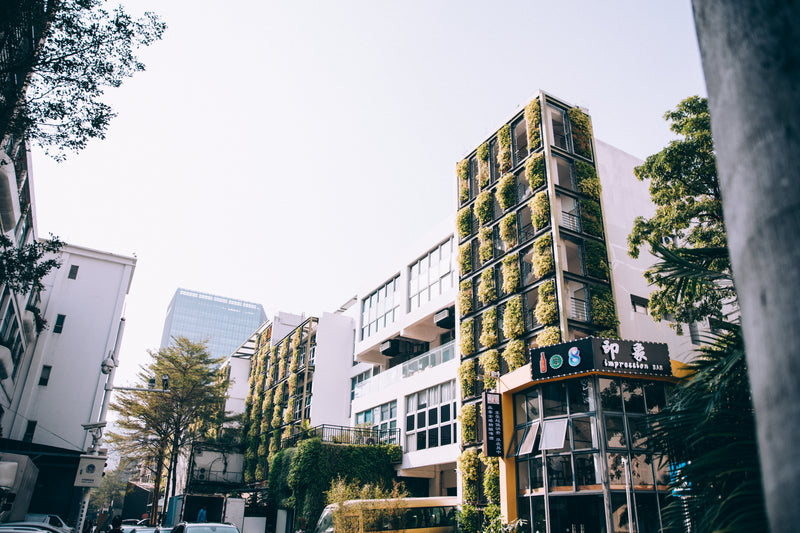
Living sustainably, or “going green,” has a multitude of benefits for the environment. One major benefit is the reduction in greenhouse gas emissions that contribute to climate change. By reducing our energy consumption and switching to renewable sources such as solar or wind power, we can significantly lower our carbon footprint.
Another important environmental benefit of sustainable living is the conservation of natural resources. This includes reducing water usage, minimizing waste through recycling and composting, and choosing eco-friendly products made from sustainable materials.
By making small changes in our daily lives like walking or biking instead of driving short distances, using reusable bags at grocery stores, and buying locally-sourced produce we can positively impact the planet.
In addition to helping protect the earth’s natural resources and wildlife habitats by reducing pollution, embracing an eco-friendly lifestyle can also promote sustainability for future generations.
How Green Living Can Save You Money in the Long Run
Saving money is one of the most significant benefits of green living. While environmentally sustainable products and practices may initially be more expensive, they have long-term cost savings that far outweigh any higher upfront costs. For example, using energy-efficient appliances can reduce your monthly utility bills significantly.
Choosing to walk or bike instead of driving will not only lower carbon emissions but also save on gas expenses. Taking public transport or carpooling with friends can also cut down on transportation costs.
Reducing waste is another way to save money while living sustainably. By switching from disposable items such as paper towels and plastic bags to reusable ones, you’ll avoid regular purchases of those single-use items and decrease the amount of waste you generate.
Simple adjustments like turning off lights when leaving a room or unplugging electronics when not in use can also reduce your electricity bill over time. In conclusion, making small changes toward an eco-friendly lifestyle has both environmental and financial benefits that make it worth considering for anyone looking to live a better life.
Reducing Your Carbon Footprint with Green Living Practices
Making the Switch to Renewable Energy Sources
One significant way to reduce your carbon footprint is by making the switch to renewable energy sources. Instead of relying on fossil fuels, which release harmful greenhouse gases into the atmosphere, consider using solar power or wind turbines to generate electricity for your home. While it may require an initial investment, this decision will pay off in the long run through lower utility bills and a cleaner environment. Plus, with advances in technology and government incentives promoting renewable energy adoption, now is a great time to make the leap towards sustainable living. By choosing clean energy options, you can help mitigate climate change and contribute to a healthier planet for future generations.
Reducing Waste with Sustainable Practices
One of the most important ways to reduce your carbon footprint and live a greener lifestyle is by adopting sustainable practices that help reduce waste. By using reusable bags, water bottles, and containers, you can significantly cut down on the amount of plastic waste that ends up in landfills and oceans. Additionally, choosing products made from sustainable materials such as bamboo or recycled plastic can also help reduce waste. Another way to reduce waste is by composting food scraps and yard waste instead of throwing them away. By implementing these simple yet effective practices, you can contribute to a healthier planet while also saving money in the long run.
The Benefits of Green Transportation: Walking, Biking and Public Transit
Walking, biking, and using public transit are all great ways to reduce your carbon footprint and live a more sustainable lifestyle. By choosing to walk or bike instead of driving a car, you not only reduce your carbon emissions but also improve your physical health. Public transit is also a great option as it reduces the number of cars on the road and can be more cost-effective than owning a car. Plus, taking public transit gives you the opportunity to relax or catch up on work during your commute. By incorporating these green transportation options into your daily routine, you can reap the benefits of both a healthier lifestyle and a cleaner environment.
Creating an Eco-Friendly Home with Energy-Efficient Upgrades
Upgrading your home with energy-efficient appliances and improvements is a great way to reduce your carbon footprint while also saving money on utilities. Start by replacing incandescent light bulbs with LED alternatives, which use significantly less energy and last much longer. Consider installing a smart thermostat that allows you to control the temperature of your home remotely, so you’re not wasting energy when you’re not there. Eco-friendly upgrades like insulation, weatherstripping, and window tinting can help regulate indoor temperature without overworking your heating or cooling system. All these simple changes will lead to a more sustainable lifestyle, contributing toward creating a better world for us all!
How to Embrace Minimalism and Live Sustainably
Sustainable Home Decor: How to Create a Minimalist Paradise
Creating a sustainable and minimalist home is not only aesthetically pleasing, but it also helps reduce waste and promotes a healthier environment. When decorating your home, choose furniture made from sustainable materials such as bamboo or reclaimed wood. Opt for natural fibers like cotton or linen for bedding and curtains. Incorporate plants into your decor to improve air quality and add a touch of nature to your space. Declutter regularly to maintain a minimalist lifestyle and reduce the amount of waste you produce. By embracing sustainable home decor, you can create a minimalist paradise that benefits both you and the environment.
Green Cleaning: Simple Tips for Keeping Your Home Clean and Eco-Friendly
When it comes to green living, cleaning your home is an important aspect that shouldn’t be overlooked. By embracing minimalism and sustainable practices, you can keep your home clean and eco-friendly. One way to do this is by using natural cleaning products that are free of harsh chemicals and toxins. Look for products that are labeled as “green” or “eco-friendly” and contain ingredients such as vinegar, baking soda, and essential oils. Another tip is to reduce the amount of cleaning products you use by opting for multi-purpose cleaners that can be used for multiple surfaces. By making these simple changes, you can create a healthier living environment while also reducing your environmental impact.
Eco-Friendly Fashion: Sustainable Clothing Brands You Need to Know About
Choosing sustainable clothing brands is a great way to embrace minimalism and live sustainably. By opting for clothes made from organic cotton, recycled materials, or biodegradable fabrics, you can reduce your environmental impact and support ethical fashion practices. Some popular sustainable clothing brands include Patagonia, Everlane, and Reformation. These brands prioritize transparency in their supply chain and use eco-friendly materials in their production process. By investing in high-quality sustainable clothing, you can also save money in the long run by reducing the need to constantly replace fast fashion items. Make a conscious effort to support eco-friendly fashion and contribute to a greener future.
The Beauty of Upcycling: Creative Ways to Reduce Waste at Home
Upcycling is a creative way to reduce waste and give new life to old items. By repurposing items that would otherwise end up in landfills, you can save money and reduce your environmental impact. Transforming old t-shirts into reusable shopping bags, or turning glass jars into candle holders are just a few examples of upcycling projects that can be done at home. Not only does upcycling help reduce waste, but it also allows you to express your creativity and add unique touches to your home decor. Embracing minimalism and upcycling go hand in hand, as it encourages us to use what we have and make the most out of it.
Achieving Mental Wellness through Green Living
Mental wellness is a crucial aspect of our overall health, and green living practices can significantly contribute to it. By choosing a sustainable lifestyle, we reduce our exposure to harmful chemicals and pollutants, which can have a positive impact on our mental health. Studies have shown that spending time in nature can also improve our mood and reduce stress levels. Practicing mindfulness is another way to incorporate green living into our daily routine. By being present in the moment and appreciating the natural world around us, we can reduce anxiety and increase feelings of happiness. Additionally, choosing eco-friendly products and reducing waste can give us a sense of purpose and fulfillment, leading to improved mental wellbeing. By prioritizing sustainability in our lives, we not only benefit the environment but also ourselves.
Innovative Ways to Incorporate Sustainability into Your Daily Routine
Incorporating sustainability into your daily routine can be easier than you think. One simple way to start is by reducing water waste – take shorter showers, fix leaks promptly, and only run the dishwasher or washing machine when they’re full. Another key phrase to keep in mind is “reduce, reuse, recycle”. Separating your recycling from regular trash is a small but impactful step that can prevent tons of waste from ending up in landfills each year. Additionally, consider swapping out single-use items like plastic bags and straws for reusable ones made from eco-friendly materials. Be conscious of the products you bring into your home and opt for those with minimal packaging or biodegradable materials whenever possible. With these easy changes, you can make a positive impact on both your own life and the environment around you.
The Positive Impact of Local, Organic Food on our Health and Environment
Eating local, organic food has numerous benefits for both our health and the environment. Organic farming practices prioritize soil fertility and use natural methods to control pests and diseases, resulting in produce that is free from harmful chemicals. These chemicals can be toxic to our bodies when consumed in large quantities over time. Consuming local produce also means supporting small-scale farmers who practice sustainable agriculture and reducing the carbon footprint of transporting food long distances.
Furthermore, locally grown fruits and vegetables are often picked at peak ripeness, meaning they contain more nutrients than those shipped from afar. In addition to being healthier for us, choosing organic foods helps preserve biodiversity by promoting crop diversity that benefits wildlife.
When possible, look for organic certification labels on your groceries or shop directly at farmer’s markets where you can connect with growers near your home. Eating seasonally will likely mean a greater variety of fruits and vegetables too! By making conscious choices about where we buy our food we can benefit our own health while helping maintain a healthy planet for future generations as well.
How To Get Started On A Journey Toward A More Eco-Friendly Life
Eco-friendly life is a journey that requires commitment and effort. It is not about making drastic changes overnight, but rather about making small, sustainable changes over time. Start by reducing your waste and using reusable items such as bags, water bottles, and containers. Next, consider switching to energy-efficient appliances and light bulbs to reduce your energy consumption. You can also reduce your carbon footprint by walking or biking instead of driving whenever possible. Another way to live a more eco-friendly life is by supporting local businesses that use sustainable practices and sell organic products. Lastly, educate yourself on environmental issues and stay informed on ways to make a positive impact. Remember, every small step towards an eco-friendly life counts and can make a big difference in the long run.
In conclusion, green living is not just a trend, but a lifestyle that offers numerous benefits to both individuals and the environment. By choosing to live sustainably, we can improve our health, reduce our carbon footprint, save money in the long run, and achieve mental wellness. Embracing minimalism and incorporating innovative sustainability practices into our daily routines can make a significant impact on our lives and the world around us. By choosing local, organic food and making small changes in our daily habits, we can take the first steps towards a more eco-friendly life. Let’s all work together to create a healthier and more sustainable future for ourselves and generations to come.


